I have crafted dozens of pieces of academic writing during my time in both the lab and classrooms at Emory, but one theme has remained consistent — psychology. I took every chance I could to weave my passion for mental health into my words, which helped me discover the impact writing can have in a field that is often driven by data.
Check out some of my writing below.
The Maney Lab
I have spent the past 2.5 years working as a research assistant in Dr. Donna Maney’s lab under Emory’s psychology department. The Maney Lab is largely focused on how sex and gender is (often incorrectly) incorporated into research — something I have covered in my own writing. My work in the lab culminated with the writing of my honors thesis on misreported sex-dependent effects in psychology and neuroscience.
Reporting and Misreporting of Sex-Dependent Effects in Psychology and Neuroscience
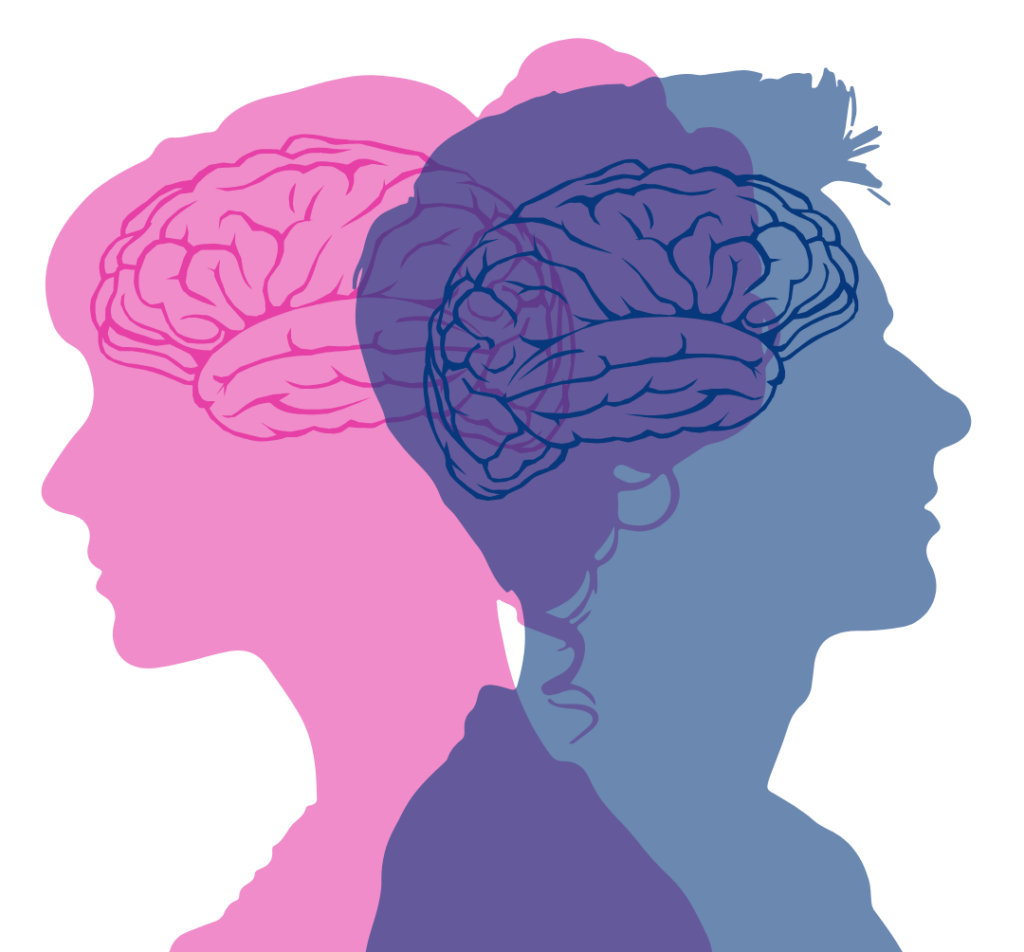
In my honors thesis, I assessed the assessing the analytical approaches researchers took when claiming sex-specific effects in psychology and neuroscience in 200 articles. I found that less than a quarter of the articles included appropriate statistical evidence to support their claims. I received highest honors for this project.
In this paper, I worked with Dr. Maney and Annika Gompers to assess major funding agencies’ trainings for implementing sex and gender in research. We found that these trainings recommended inappropriate approaches and published our findings in Biology of Sex Differences.

The Classroom
As a psychology major, most of my academic writing surrounds the brain and what can go wrong. And, as an RWID minor interested in psychology, I find a way to tie most of my English class assignments back to mental health. During my time at Emory, I’ve written academic papers about topics such as schizophrenia in the U.S. prison system and the relationship between parenting style and emotional regulation. However, some of my classes have opened the door to more unique writing styles, allowing me to produce content such as a journalistic account of mental health’s role in a racially-motivated cold case killing.
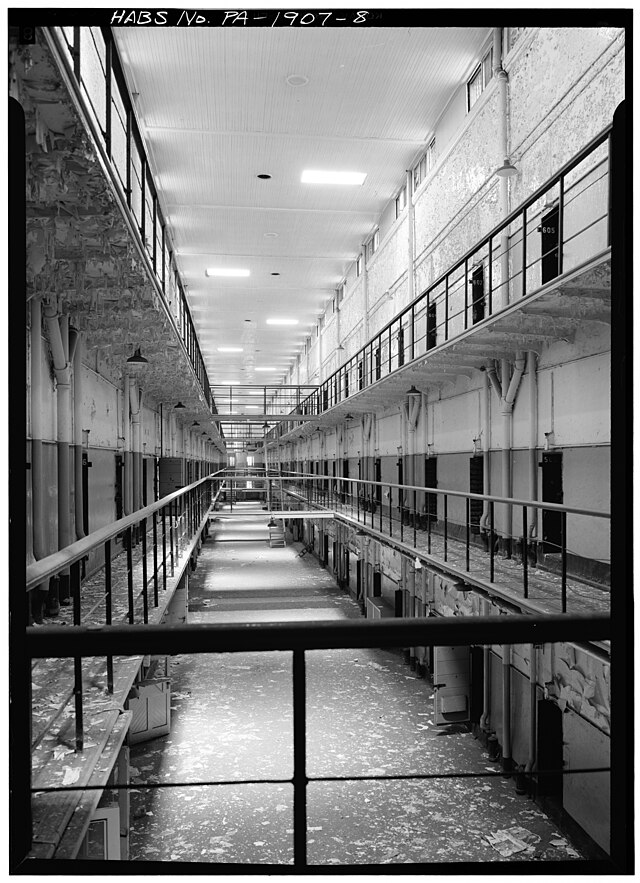
I wrote this paper for a graduate-level psychology course focused on personality and psychopathology. In the paper, I discussed why schizophrenia is so prevalent among prisoners in the United States, and how to rectify the poor treatment they currently receive at the hands of correctional officers.
The Time is Now: Reducing the Psychological Effects of Childhood Adversity
In this paper, I discussed the harmful effects of adverse childhood events — such as poverty, abuse, and divorce — and what we can do to reduce these impacts. I outlined a step-by-step plan, starting with the Safe Environment for Every Kid (SEEK) model and ending with therapy and school-wide education on coping strategies.

The Connections Between Parenting Styles and Emotional Regulation in Young Adults
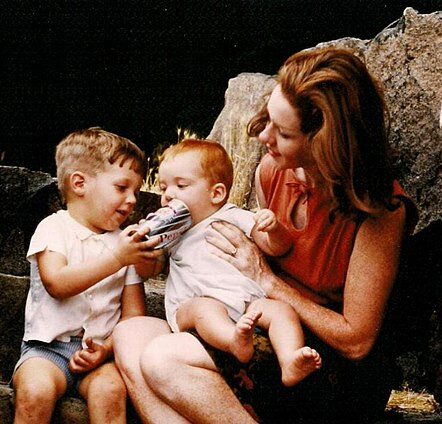
I worked with three other students to plan and conduct our own study assessing the relationship between parenting styles and emotional regulation in college students. After gathering and analyzing our data, we wrote full-length research papers discussing our process and results.
As part of the Georgia Civil Rights Cold Cases Project at Emory, I transferred my journalism skills to the classroom and wrote an in-depth investigative piece on how mental health played a role in the case of Clarence Pickett, who was murdered by a white police officer in 1957. To write this article, I spoke to experts on the history of mental health and dove into archives related to Pickett’s life and Milledgeville State Hospital.

Clinical Vignette: Relapse-Remitting Multiple Sclerosis
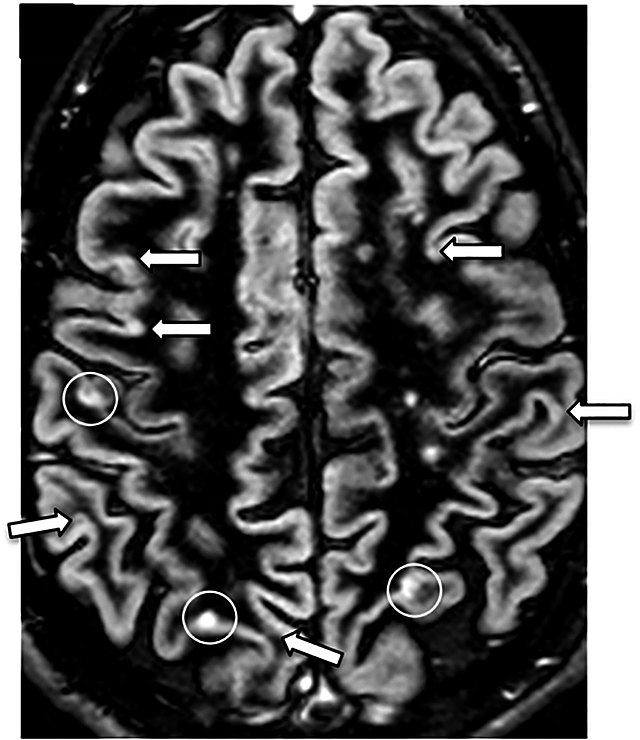
This assignment posed a unique challenge — instead of just writing about multiple sclerosis, I had to put myself in the shoes of patients living with it and doctors diagnosing it. In this clinical vignette, I wrote an in-depth account of a hypothetical patient’s seven-year journey with relapse-remitting multiple sclerosis.
Feline Learning: A Neuroscience Perspective
In this multimedia project, I set out to teach my cat to associate the word “Go-Gurt” with her favorite treat using classical conditioning. I recorded her progress each day and provided an in-depth explanation of the neuroscience behind classical conditioning and how it specifically applies to the feline brain.
